Land · Hand · HeimatStraubing 48°53′ N · 12°34′ EHaibach 49°02′ N · 12°43′ EBerlin, 2026

AloisRainer

Federal Minister for Agriculture, Food and Regional Identity

A master butcher from Lower Bavaria who ran a family business, led his village as mayor for eighteen years, represented Straubing in the Bundestag from 2013, chaired its Finance Committee and joined the federal government in May 2025. This site follows that path chapter by chapter and keeps facts, policy and interpretation apart.

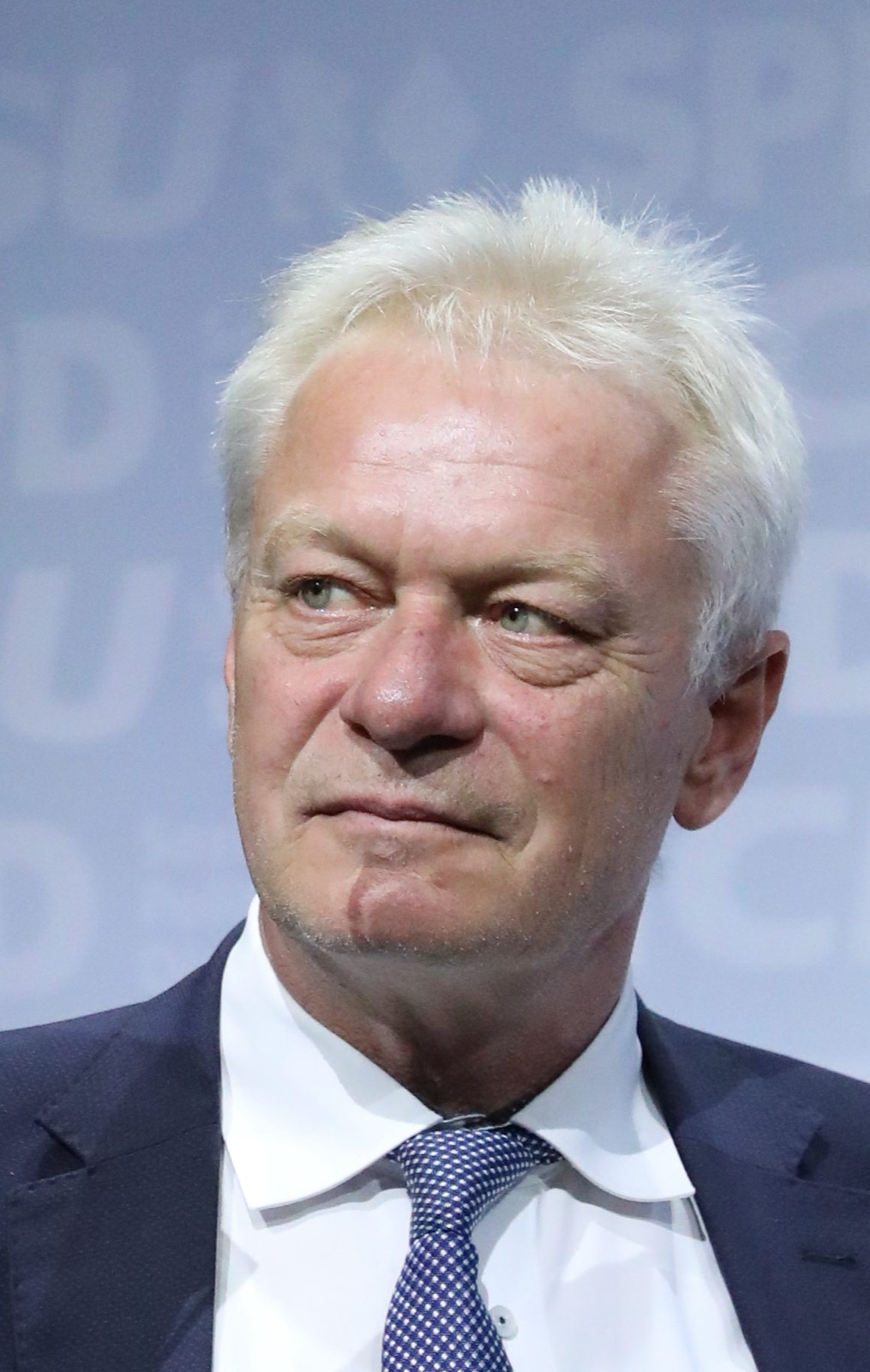
Alois Rainer in a dark suit and patterned tie at the signing of the coalition agreement in Berlin, May 2025
At the signing of the coalition agreement for the 21st legislative period, Berlin, 5 May 2025. Photo: Martin Rulsch
1986Master butcher
1996Mayor of Haibach
2013Bundestag
2025Federal Minister

Four coordinates

One career, four places of work

The workshop, the town hall, the parliament and the ministry. Each one carries over into the next, and that continuity is the organising idea of this portrait.

Craft

The workshop

1980 – 1996

A butcher’s apprenticeship from age fifteen, the master examination in 1986 and, from 1987, the family butcher’s shop and inn in Haibach. Practical work, wages and margins came before politics.

Craft & family business
Community

The town hall

1996 – 2014 · district council since 2002

Eighteen years as mayor of Haibach, a municipality of around two thousand people, and a seat on the Straubing-Bogen district council. Local roads, schools, budgets and the everyday reality of rural government.

Local leadership
Parliament

The Bundestag

Since 2013

Directly elected for Straubing four times. He worked on the Budget Committee, as CSU budget spokesperson and as CDU/CSU transport spokesperson, and from December 2021 as Chair of the Finance Committee.

In the Bundestag
Government

The ministry

Since 6 May 2025

Federal Minister for Agriculture, Food and Regional Identity in the cabinet of Chancellor Friedrich Merz, responsible for farming, food, forestry, animal welfare, rural areas and, for the first time in this ministry, “Heimat”.

Agriculture policy

Narrative

From the workshop to government

  1. 1980Apprentice butcher, aged fifteen
  2. 1986Master craftsman’s certificate
  3. 1987Takes over the family business
  4. 1996Elected mayor of Haibach
  5. 2013Elected to the Bundestag
  6. 2021Chair of the Finance Committee
  7. 2025Federal Minister
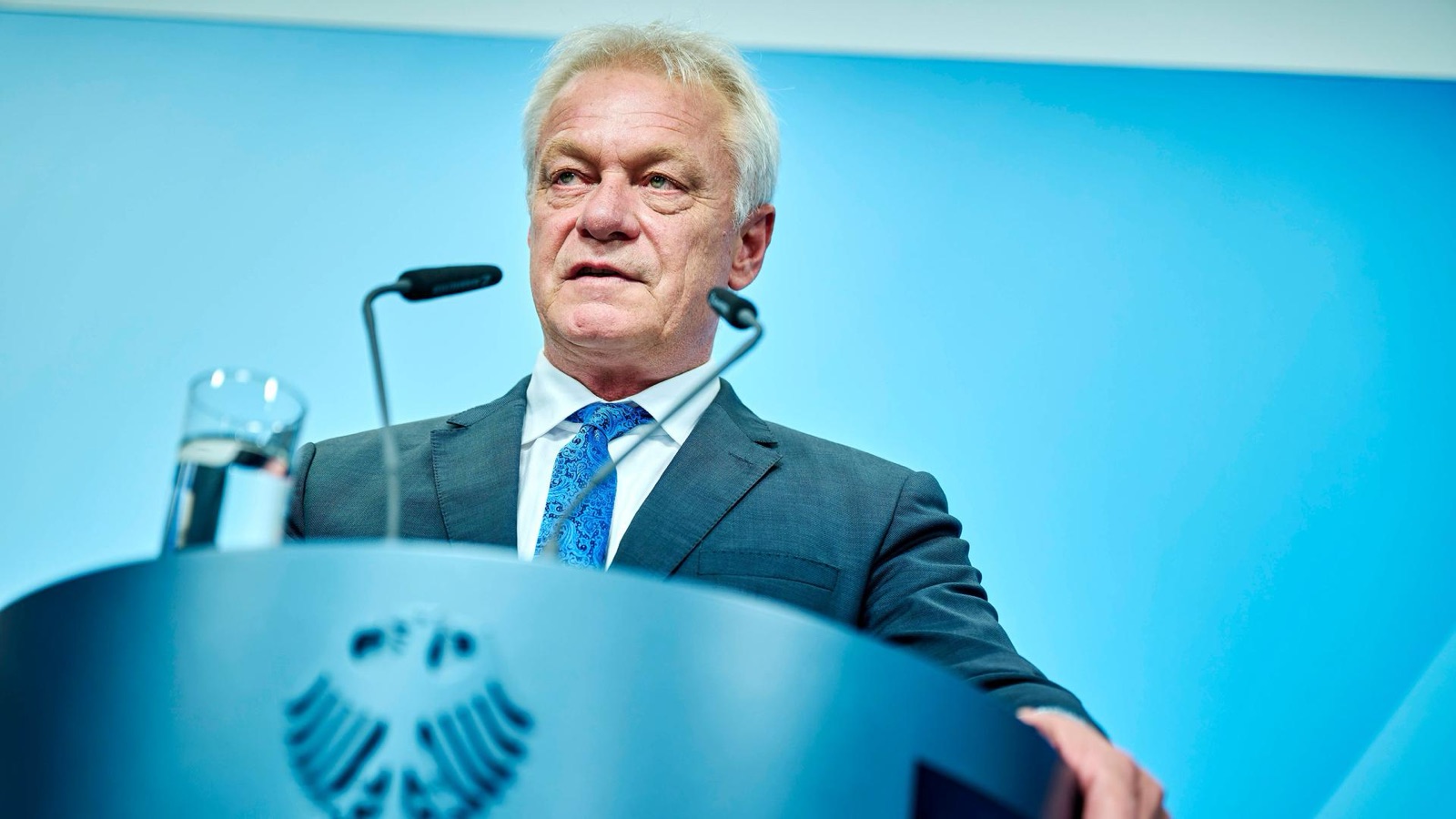
Alois Rainer speaking at a lectern bearing the federal eagle, against a pale blue background
Speaking as Federal Minister at a government press appearance.

Alois Rainer’s working life began in 1980 at a butcher’s block, not in a lecture hall. By 22 he held a master’s certificate and ran a business that combined a butcher’s shop and an inn, with staff, suppliers and customers who were also his neighbours.

That experience carried into the town hall. As mayor of Haibach from 1996 to 2014 he managed a municipal budget, local infrastructure and the competing demands of a small community, and from 2002 he also sat on the district council.

In the Bundestag from 2013 he moved towards money and infrastructure: the Budget Committee, budget and finance spokesperson for the CSU, transport spokesperson for the CDU/CSU group and finally, from 2021 to 2025, chair of the committee that scrutinises every federal tax law.

As Federal Minister since May 2025 he leads a ministry whose rules he once had to follow himself. Hygiene, labelling, animal welfare at slaughter and bureaucracy for small businesses were part of his working life long before they reached his desk.
Current office · since 6 May 2025

Federal Minister

The Federal Ministry of Agriculture, Food and Regional Identity (BMLEH) was given its current name in May 2025, when responsibility for “Heimat” moved over from the Interior Ministry. Each part of its remit comes with a real policy dilemma.

Agriculture

Keeping farms viable

About 255,000 farms remain in Germany, roughly 7,800 fewer than in 2020. Rising costs, price volatility and paperwork weigh on the decision to carry on or hand over.

Food

Secure and affordable supply

Food security has to be balanced against consumer prices, nutrition goals and dependence on imports for fruit, vegetables and inputs such as fertiliser.

Regional identity

Heimat as policy

A new remit: making “Heimat” mean something concrete, such as services, clubs, jobs and belonging in rural regions, without making it purely symbolic.

Animal welfare

Higher standards, real costs

Society expects better animal welfare. Farmers need predictable rules and financing, and consumers decide at the checkout.

Environment & forests

Producing under climate stress

Drought and heat cut the 2026 grain harvest by 7.3 %. Soil, water, biodiversity and forest damage are now questions of production as well as protection.

Europe & trade

Policy made in Brussels

The Common Agricultural Policy after 2027, the Mercosur agreement and EU labelling rules shape German farming more than many national laws do.

Farm numbers: Destatis, Agricultural Structure Survey 2023. Harvest: BMLEH harvest report, 2 September 2026.

The landscape of policy

Eight coordinates on one map

Agricultural and food policy is a connected landscape: decisions on climate affect harvests, harvests affect food security, and trade rules affect farm incomes. Select a coordinate to read the chapter.

Six dates that define the record

Verified against Bundestag and Federal Government biographies

1965
1965Born in Straubing

7 January, Lower Bavaria.

1986
1986Master butcher

After an apprenticeship from 1980 to 1983.

1996
1996Mayor of Haibach

Served until 2014.

2013
2013Enters the Bundestag

Direct mandate, Straubing.

2021
2021Finance Committee chair

Elected 15 December 2021.

2025
2025Federal Minister

Appointed 6 May 2025.

Policy statement · Bundestag, 10 June 2026

Policy statement

Vertrauen zurück­gewinnen, Hilfe stärken, Ernährung sichern.

“Rebuilding trust, strengthening support, securing food.” This was the stated theme of his opening statement when he answered questions in the Bundestag’s government question time.

Alois Rainer · Regierungsbefragung, German Bundestag · 10 June 2026

Source: German Bundestag, text archive, week 24/2026. The German wording is the theme as published; the English is a translation.

Current policy challenges

The questions on the minister’s desk

Six issues that define German agricultural and food policy in 2026, with the evidence behind each and links to the detailed chapters.

Climate resilience · case 2026

A harvest hit by drought and heat

−7.3%Grain harvest 2026 vs. 2025

The official harvest report put German grain production, excluding grain maize, at about 37.4 million tonnes. Winter wheat was down 10.4 % and winter rape 11.5 %. The minister called it a “crisis of national significance” and announced around €1 billion in liquidity aid.

Source: BMLEH press release 070/2026, 2 September 2026. Preliminary figures.

Environment & climate
Competitiveness

Costs and margins

From 1 January 2026 the full agricultural diesel refund of 21.48 cents per litre was restored, worth around €430 million a year to farms. Whether this is enough against EU competitors remains disputed.

Agriculture policy
Food security

Reliable domestic supply

Germany is broadly self-sufficient in grain but depends heavily on imports for fruit and vegetables. Poor harvests make that structure more visible.

Food & nutrition
Bureaucracy

Fewer forms, same standards?

Ending the nutrient-balance regulation (Stoffstrombilanzverordnung) is meant to save farms around €18 million a year. Environmental groups warn that some reporting duties protect water and soil.

Major initiatives
Animal welfare

Transparency at slaughter

An amendment to the Animal Welfare Act would make video surveillance standard in large slaughterhouses, which handle more than 90 % of animals. Critics want it extended to every plant.

Animal welfare
Rural communities

Heimat beyond symbols

The July 2026 Heimat agenda, “Miteinander ist es Heimat”, promises dialogues, a national report and a federal prize. The test is whether villages see better services.

Rural development