II · 05 Politics — Food & Nutrition

From field to table

Food policy covers what is grown, how it is processed, what consumers are told and whether supply holds in a crisis. It is the “Food” in the ministry’s name.

The food chain, and where policy acts

Food security

Why supply is a policy question again

For decades food security seemed a solved problem in Germany. The pandemic, the war in Ukraine, sharp rises in energy and fertiliser prices and the drought harvest of 2026 changed that perception. Food security is now discussed as a matter of resilience: how much the country can produce, how dependent it is on imports and inputs, and how quickly supply chains recover from shocks.

Germany is broadly self-sufficient in grain in normal years, and its self-sufficiency in milk and pork exceeds 100 %. It produces only around a third of the vegetables and about a fifth of the fruit it consumes, according to official agricultural statistics. A poor harvest therefore does not threaten bread supply, but it does put pressure on farm incomes, prices and the processing industry.

The international dimension is just as important. Germany hosts the annual Global Forum for Food and Agriculture (GFFA) during International Green Week in Berlin. In January 2026 the forum’s theme was “Water. Harvests. Our Future.” and around sixty agriculture ministers met for the Berlin Agriculture Ministers’ Conference.

Sources: BMLEH statistics, self-sufficiency tables (figures vary by year); Federal Government on GFFA and Green Week 2026.
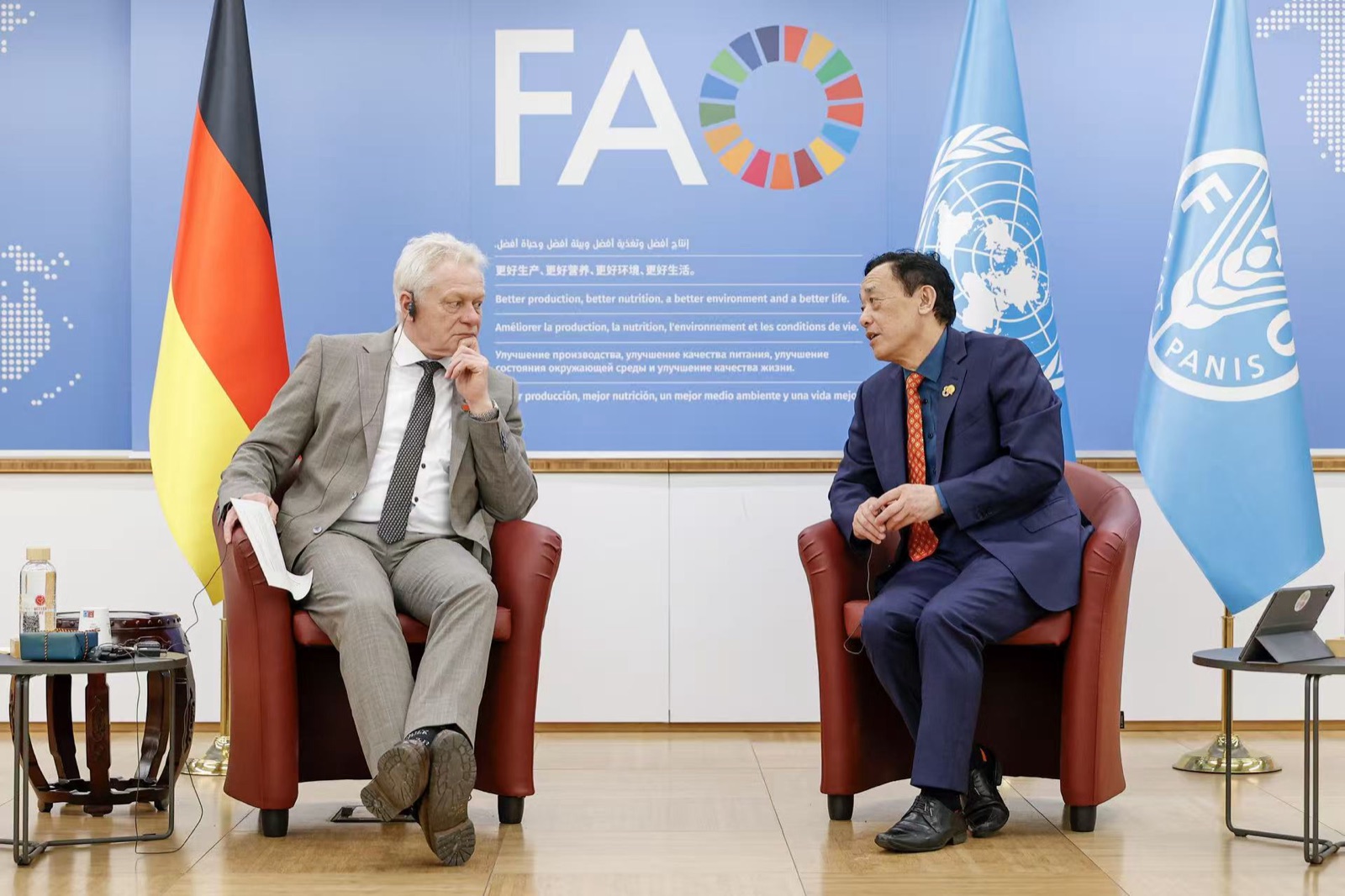
Alois Rainer seated in a red armchair in conversation with a senior official in front of FAO banners and the flags of Germany and the United Nations
In talks at the Food and Agriculture Organization of the United Nations (FAO).
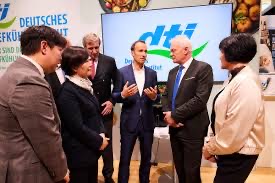
Alois Rainer listening to a presentation at the stand of the German Frozen Food Institute
At the stand of the German Frozen Food Institute (dti) at a trade fair.

Consumer choice and information

Four debates about what consumers are told

Labelling · policy

Livestock-housing label postponed

The state label showing how pigs were kept was postponed from 1 March 2026 to 1 January 2027. Restaurants and canteens follow on 1 July 2027. Rainer has argued for a simple solution with no “many small logos”.

Greenpeace criticised the delay. Source: top agrar, Dec 2025.

Plant-based products · statement

“Veggie schnitzel” stays

He opposed an EU ban on meat-style names for plant-based products. On the EU compromise of March 2026 he said: „Es ist gut, dass das Veggie-Schnitzel-Verbot vom Tisch ist.“ (“It is good that the veggie-schnitzel ban is off the table.”)

Source: ZDFheute, March 2026.

Nutrition · position

No sugar tax

He rejects a tax on sugary drinks, doubting that it would deliver the claimed savings or health effects. Public-health organisations point to countries such as the UK, where a levy led manufacturers to cut sugar content.

Source: Tagesspiegel Background.

Regional products · analysis

Origin as a value

Regional and origin labelling links food policy with the ministry’s “regional identity” remit. Producers want regional value recognised. Consumer groups want labels that are clear, verifiable and not misleading.

Analysis by this site.

Analysis

The sustainable food system question

Every food system has to balance affordability, farm incomes, health, animal welfare and climate. Agricultural policy under Rainer has generally given more weight to production, affordability and freedom of choice for consumers. That includes rejecting a sugar tax, defending meat-style names for plant-based foods on grounds of consumer understanding, and prioritising relief for farms.

Consumer, health and environmental organisations argue for stronger steering towards healthier and more plant-based diets, for example through taxation, restrictions on marketing unhealthy food to children, or binding labels. Supporters of the current line argue that consumers should decide, and that domestic production is better than imports produced to lower standards.

The debate is set out further on the criticism page.